



Composite Veneers in Vilnius: Affordable Smile Aesthetics
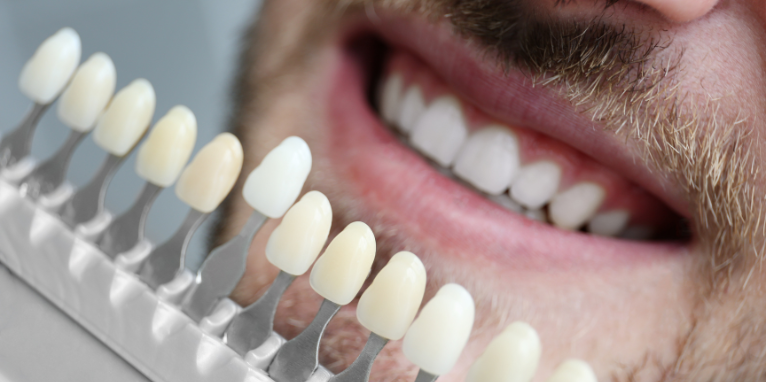
Composite veneers are thin overlays on front teeth surface created directly in patient's mouth from light-cured composite material. Methodology allows correcting shape, color, teeth size, closing gaps, masking chips and defects in one dentist visit. Unlike ceramic veneers, composite created by direct method without dental laboratory participation, significantly reducing timeframes and treatment cost.
We create composite veneers using premium class latest generation materials and multilayer application technique ensuring natural appearance and restorations longevity. Procedure performed in one 2-4 hour visit depending on teeth quantity. Composite veneers - optimal solution for patients wanting improve smile aesthetics quickly and with minimal investments while preserving possibility change or remove restorations in future.
Differences from Ceramic Veneers
Main difference between composite and ceramic veneers lies in manufacturing method. Ceramic veneers created in dental laboratory according to teeth impressions, require minimum two visits, mandatory teeth grinding. Composite veneers formed by dentist directly on patient teeth in one visit, often without preparation or with minimal grinding.
Composite veneers cost 2-3 times lower than ceramic, making them accessible to wide patient circle. Procedure reversible - composite can be removed, polished, replaced without teeth damage. Ceramic veneers require enamel grinding and are irreversible procedure. With composite veneer damage easy repair directly in dentist chair in one visit.
Ceramic veneers superior to composite in longevity, color stability, wear and pigmentation resistance. Ceramics serve 15-20 years without color change, composite - 5-7 years with possible edges darkening, shine loss. However for young patients for whom procedure reversibility important, or with limited budget composite veneers become optimal choice.
Composite Veneers Installation Indications
Methodology recommended with teeth color violations not responding to teeth whitening - fluorosis, tetracycline teeth, darkening after depulpation, congenital discolorations. Composite veneers effectively mask these defects, returning teeth whiteness and natural appearance. Can choose any desired shade - from natural to dazzlingly white.
Veneers indicated with teeth shape defects - too small, short, conical, with chips on cutting edge, enamel cracks. Composite allows enlarging teeth, giving them correct proportions, restoring lost fragments. Methodology effective for closing gaps between front teeth - diastemas and tremas. Veneers create illusion of even dental row without gaps.
Composite veneers suitable for masking minor dental row irregularities - slight crowding, individual teeth rotation. Can visually straighten teeth without orthodontic treatment. Methodology recommended for replacing old, unattractive fillings on front teeth. Veneers completely cover tooth, hiding all defects and creating ideal aesthetics.
Composite Veneers Creation Stages
Consultation and Planning
First visit includes oral cavity examination, teeth condition assessment, patient preferences discussion. Doctor determines desired future veneers shape, size, color. According to special VITA scale selects composite shade maximally corresponding to patient preferences and harmonizing with other teeth. Photos taken before treatment for comparison with result.
Teeth Preparation
Depending on clinical situation performed minimal front teeth surface grinding by future veneer thickness - usually 0.3-0.7 mm. Often veneers can be created completely without preparation, layering composite on natural enamel. This possible with small teeth, having gaps, needing only color change. Teeth isolated with cofferdam for saliva protection and ideal working conditions creation.
Layered Composite Application
Tooth surface treated with special acid for micro-roughness creation ensuring strong composite bonding with enamel. Applied adhesive system - bond, which penetrates into enamel pores and creates strong connection. Composite applied in layers - used multilayer modeling technique with several shades of different transparency for natural tooth structure imitation.
Modeling and Polishing
Dentist forms veneer anatomy - creates natural relief, tubercles, grooves, surface texture. Important recreate individual features making teeth alive and natural. After hardening under special lamp composite ground, polished with special burs, discs, pastes to ideally smooth shiny surface. Occlusion checked, if necessary veneer height corrected.
Composite Veneers Advantages
Main methodology merit - possibility get new smile in one visit. No need wait veneers manufacturing in laboratory, wear temporary constructions. Patient comes with problem and leaves with beautiful smile same day. Procedure takes 2-4 hours depending on teeth quantity - can restore from one to six-eight teeth per visit.
Minimal invasiveness - important advantage. Often veneers created completely without teeth grinding or with minimal preparation only surface enamel layer. Healthy tooth tissue maximally preserved. Procedure reversible - if desired composite can be removed, teeth remain undamaged. This critically important for young patients who in future may want different restoration type.
Repair ease - significant composite veneers advantage. With chip, crack, color change can easily and quickly repair or renew veneer directly in dental chair in one visit. Ceramic veneer with damage requires complete replacement with repeated impressions taking, new construction manufacturing. Composite can be partially replaced, polished, color refreshed.
Materials for Composite Veneers
For creating aesthetic durable veneers used premium class latest generation composite materials - nanocomposites and micro-hybrid composites. These materials contain nanometer-sized filler particles ensuring ideally smooth surface, natural shine, wear resistance. Modern composites have high color stability and with proper care long preserve original shade.
Care Rules
After composite veneers installation important follow simple care rules for their service life extension. Must brush teeth twice daily with quality paste and brush, use dental floss for interdental spaces cleaning. First 48 hours after procedure recommended avoid pigmented products - coffee, tea, red wine, beets, which can stain fresh composite.
Important avoid excessive veneers loads - not chew hard objects, nuts, ice, not use teeth as tools for packages opening. Smoking strongly pigments composite, therefore recommended quit smoking or at least reduce cigarettes number. Regularly every 6 months must visit dentist for professional teeth cleaning and veneers condition control.
Professional polishing once per year recommended for shine restoration and surface pigmentations removal. Procedure takes 15-20 minutes, refreshes veneers, returns them original shine. With bruxism - teeth grinding during sleep - must wear night protective tray protecting veneers from wear and chips.
Disadvantages and Limitations
Main composite veneers disadvantages compared with ceramic - shorter service life and greater pigmentation tendency. Composite serves 5-7 years, then requires renewal or replacement. Ceramics serve 15-20 years without changes. Composite surface gradually loses shine due to microscratches, requires annual polishing.
Composite veneers aesthetics slightly lower than ceramic - less transparency, naturalness. Ceramics ideally imitate natural enamel, composite visually somewhat plastic. However with quality work and premium materials difference minimal, and composite veneers fully acceptable for most patients.
Composite veneers not recommended with strong teeth wear, pronounced bruxism - teeth grinding during sleep. Constant friction quickly wears composite, leads to chips and fractures. In such cases first necessary manufacture protective tray from bruxism or choose stronger ceramic veneers. With very dark discolorations, tetracycline teeth composite may show through, not providing complete masking.
Veneers not installed on teeth with active caries, gum inflammation until oral cavity sanation. Necessary first conduct all diseases treatment, then proceed to aesthetic procedures. With significant tooth destruction when lost more than half crown part, composite veneer will be unreliable - in such cases indicated ceramic crown.
For optimal result achievement important dentist qualification, artistic sense, experience working with composite materials. Creating aesthetic veneers requires time, patience, attention to details. When choosing clinic pay attention to doctor works portfolio, patient reviews. Quality performed composite veneers indistinguishable from natural teeth.
Composite Veneers versus Ceramic
Choice between composite and ceramic veneers depends on clinical situation, priorities, patient budget. Composite veneers optimal with quick result necessity, limited budget, wanting preserve procedure reversibility. They ideal for young patients wanting improve smile but understanding that in future may want more durable solution.
Ceramic veneers ensure maximum longevity, aesthetics, color stability. They don't change color, don't tarnish, serve 15-20 years and more. Ceramics indicated with very dark teeth, necessity significant shape and color change, high aesthetic requirements. However they require teeth grinding, irreversible, cost significantly more.
Possible combined approach - composite veneers installation now for quick smile improvement with plan replace with ceramic after several years when financial possibilities. Or composite veneers usage on lateral incisors and ceramic on central for optimal aesthetics and cost ratio. Doctor helps determine most suitable option after situation assessment.
Composite Veneers Cost
Composite veneer cost depends on doctor qualification, materials used, work complexity, teeth quantity. Veneer installation on one tooth usually costs 2-3 times cheaper than ceramic. When restoring several teeth one veneer cost decreases. Often clinics offer package prices for smile zone transformation - 6-8 front teeth.
Cost includes consultation, color selection, minimal grinding if necessary, veneers creation from premium materials, polishing, occlusion correction. Additionally may be paid professional teeth cleaning before veneers installation - it necessary for accurate color determination and quality material adhesion.
Composite veneers - accessible solution for smile aesthetics improvement. Investment pays off with self-confidence, beautiful smile, positive changes in personal and professional life. With proper care veneers serve several years, can be renewed as needed. Possibility create new smile in one day without serious intervention makes composite veneers popular choice.
Alternative Aesthetic Correction Methods
Besides veneers, exist other ways front teeth aesthetics improvement. Artistic composite restoration similar to composite veneers but usually applied for tooth part restoration not complete front surface coverage. Methodology suitable for chips, cracks, minor shape defects correction. Restoration cost usually lower than complete veneer.
Teeth whitening effectively changes color but not corrects shape, not closes gaps, not masks chips. Whitening indicated with relatively even teeth good shape needing only lighten. Methodology significantly cheaper than veneers but provides only color change. Possible combination - first all teeth whitening, then veneers installation on whitened teeth.
Orthodontic treatment with braces or aligners corrects teeth position, straightens dental rows, corrects bite. This long-term solution improving not only aesthetics but also function. However treatment takes months or years, requires discipline. Veneers give quick aesthetic result but not correct bite. With significant teeth position violations reasonable first conduct orthodontics, then veneers for final aesthetics.
Frequent Questions
Need grind teeth under composite veneers?
In most cases composite veneers created with minimal teeth grinding or completely without preparation. If teeth small, have gaps between them, or need only color change, composite layered directly on natural enamel without grinding. With necessity change large teeth shape, correct protruding teeth may require minimal front surface grinding 0.3-0.7 mm - this future veneer thickness. Preparation performed within enamel not affecting dentin making procedure painless and reversible. In any case grinding significantly less than under ceramic veneers or crowns. Doctor assesses preparation necessity individually and strives maximally preserve healthy tooth tissue.
Can install composite veneers only on some teeth?
Yes, composite veneers can be installed on any teeth quantity - from one to eight-ten in smile zone. Often veneers installed only on central incisors for chips correction or shape change, or close gap between front teeth with veneers on two teeth. Can restore all smile zone teeth for complex transformation. Doctor selects composite color so veneers harmonize with adjacent natural teeth. However important understand that installing veneers only on part teeth may be difficult achieve ideal color match especially if natural teeth have yellowish shade. For absolute smile harmony often recommended veneers installation on all teeth visible when smiling - usually these 6-8 upper teeth.
Will composite veneers color change over time?
Modern premium class composite materials have good color stability and with proper care preserve original shade several years. However composite more prone to pigmentation compared with ceramics. With insufficient hygiene on veneer border with gum may accumulate plaque causing darkening. Smoking, frequent colored drinks consumption - coffee, tea, red wine - can lead to color change. Composite surface gradually loses shine due to microscratches visually making veneers less bright. These problems easily solved by professional polishing once per year restoring shine and removing surface pigmentations. With significant color change veneers can be renewed or replaced. For maximum color preservation recommended quality hygiene, colored products limitation, smoking cessation.
Painful install composite veneers?
Composite veneers creation - comfortable procedure which in most cases performed without anesthesia. If veneers manufactured without teeth grinding or with minimal preparation only enamel, painful sensations absent. Enamel not contains nerve endings therefore its treatment painless. With necessity deeper preparation applied local anesthesia completely blocking any discomfort. Composite application and forming process absolutely painless - patient feels only instruments touch. Only moment that can cause slight discomfort - long stay with open mouth 2-4 hours when restoring several teeth. Can make breaks, close mouth, relax jaw. After procedure teeth not hurt, can immediately take food.
Can whiten teeth after composite veneers installation?
Teeth whitening after composite veneers installation not recommended as whitening gel affects only natural enamel and not changes composite color. As result natural teeth lighten and veneers remain previous shade, color difference appears. If whitening planned it necessary perform before veneers installation. First teeth whitened to desired shade, in 2 weeks when color stabilizes, manufactured composite veneers in tone already whitened teeth. If veneers installed only on some teeth and want lighten remaining, this will create disharmony - veneers will need replace with new in lighter shade. Therefore important immediately decide on desired smile color and perform all procedures in correct sequence.