



Tooth Filling in Vilnius: Quality Smile Restoration
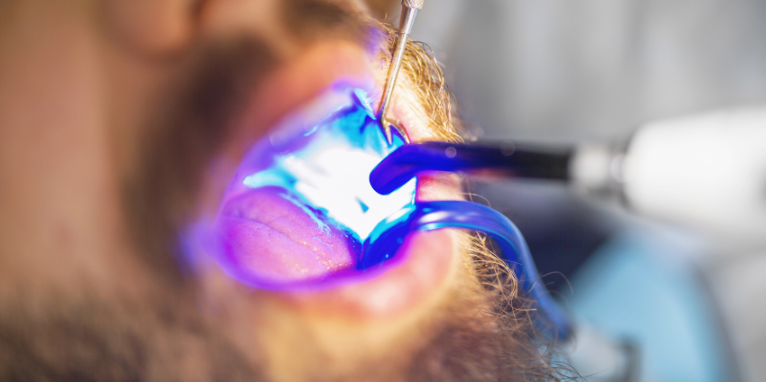
Tooth filling is the main dental procedure aimed at restoring the integrity and functionality of a tooth damaged by caries or trauma. In our clinic, filling installation is carried out using modern high-quality materials and advanced technologies, which allows creating durable restorations that are impossible to distinguish from natural teeth. Our specialists pay special attention to both functional and aesthetic aspects of filling, providing patients with a beautiful and healthy smile.
We understand the importance of preserving the patient's own teeth, so we strive to carry out treatment with the most gentle methods, removing only damaged tissues and preserving the healthy tooth structure. In our dentistry, filling is performed painlessly, quickly and with a quality guarantee, which makes the procedure comfortable even for patients with increased anxiety.
Indications for Filling
In our clinic, we recommend tooth filling in various situations. The most common indication is caries treatment at any stage of development, from initial enamel damage to deep caries with dentin damage. Our specialists remove tissues affected by caries and restore the anatomical shape of the tooth with filling material, preventing further destruction and spread of infection.
We perform filling for chips and cracks in teeth that occurred as a result of trauma or increased enamel wear. Fillings are installed to restore the tooth shape in wedge-shaped defects in the cervical area, which often develop due to improper brushing technique or increased acidity of the oral cavity. Also in our dentistry, old, worn fillings that have lost their tightness, changed color or partially collapsed are replaced.
Types of Filling Materials
In our clinic, we use several types of modern filling materials, each of which has its own advantages and indications for use. The most popular are light-cured composite materials – photopolymer composites. They have excellent aesthetic properties, a wide color palette, high strength and wear resistance. Our specialists use nanocomposites and microhybrid composites from leading world manufacturers.
Glass ionomer cements in our dentistry are used for filling primary teeth, cervical defects, as insulating linings under composite fillings. These materials release fluoride, which contributes to strengthening the surrounding tooth tissues and prevention of secondary caries. For temporary filling, we use special materials that are easily removed at the next visit. Our doctors select each material individually depending on the clinical situation.
Stages of Filling Installation
Tooth filling in our clinic is carried out according to a strict protocol, which ensures high quality and durability of restoration. The procedure begins with anesthesia – we use modern local anesthesia, which completely eliminates painful sensations. Our specialists use thin needles and effective anesthetics, so even the injection itself is almost painless.
After the onset of anesthesia, our doctors remove all tissues affected by caries using modern high-speed drills with water cooling. We thoroughly clean the cavity using caries detectors – special dyes that stain altered tissues, which allows us to remove all affected areas and not touch healthy dentin. The cavity is formed taking into account biomechanical principles to ensure optimal fixation of the filling.
Working Field Isolation
In our dentistry, we pay special attention to tooth isolation from saliva during filling. We use a rubber dam – a special latex curtain that isolates the working tooth from the rest of the oral cavity. This is critically important for successful filling with composite materials, as moisture penetration violates the adhesion of the material to the tooth, which can lead to filling loss or development of secondary caries.
The rubber dam provides not only a dry working field but also protects the patient from accidental entry of dental instruments, irrigation solutions, small particles into the mouth. Our specialists work more comfortably and efficiently, having a good view of the working area. For the patient, the procedure becomes more pleasant, as there is no need to constantly spit, the taste of materials is not felt, the tongue and cheeks are safe.
Adhesive Preparation
Before installing a composite filling in our clinic, adhesive tooth preparation is mandatory. Our specialists treat the cavity surface with a special acid – this process is called etching or conditioning. The acid creates micropores in the enamel and dentin, increasing the surface area for bonding with the filling material.
After rinsing and drying, we apply an adhesive system – a special bonding that penetrates the micropores and creates a strong chemical bond between tooth tissues and composite material. The adhesive is polymerized with a light lamp. Quality adhesive preparation in our dentistry is the key to filling durability, it prevents the formation of micro-gaps at the filling-tooth border, through which bacteria can penetrate and secondary caries can develop.
Layered Composite Application
In our clinic, composite fillings are installed using the layered material application technique. Our doctors apply composite in layers no more than 2 mm thick, each layer is cured with a special polymerization lamp for 20-40 seconds. The layered technique is necessary because the light flow penetrates to a limited depth, and when applying a thick layer, the lower part of the material will remain underpolymerized.
We carefully model the anatomical shape of the tooth, recreating cusps, fissures, contact points with adjacent teeth. Our specialists use various instruments to give the composite the desired shape before polymerization. When filling front teeth, a multi-layer technique is used with materials of different transparency and shades to achieve maximum naturalness of restoration.
Final Filling Processing
After forming the filling in our dentistry, thorough final processing is performed. Our doctors check occlusion – tooth closure using carbon paper. The filling should be in correct contact with antagonist teeth, not create premature contacts and not interfere with chewing movements. If necessary, we correct the filling shape by grinding excess material.
Then our specialists perform grinding and polishing of the filling using special burs, discs, strips, rubber cups and polishing pastes of various abrasiveness. We achieve perfect surface smoothness, which is important not only for aesthetics but also for restoration durability. Plaque adheres less to a smooth surface, the filling retains shine and color longer. Final polishing gives the filling a natural appearance, it becomes indistinguishable from the tooth's own tissues.
Filling Front Teeth
Filling front teeth in our clinic requires special skill and an artistic approach, as these teeth are in the smile zone. Our specialists pay maximum attention to aesthetics, selecting a composite color that exactly matches the shade of the patient's natural teeth. We use a shade guide in natural lighting, as artificial light distorts color perception.
For restoration of front teeth in our dentistry, a multi-layer technique is used. Our doctors recreate the tooth structure using opaque materials for the dentin layer and transparent for the enamel layer. We create natural surface texture, mamelons on the cutting edge, individual features characteristic of natural teeth. Our front tooth restorations look alive and indistinguishable from the patient's own teeth even upon closest examination.
Filling Chewing Teeth
When filling chewing teeth in our clinic, priority is given to functionality and strength of restoration. These teeth experience significant chewing loads, so our specialists use especially strong composite materials with increased wear resistance. We carefully restore the anatomical shape of the chewing surface, modeling cusps, fissures, correct occlusal contacts.
Our doctors pay special attention to restoring the contact point with the adjacent tooth. Correct contact prevents food impaction between teeth, protects the interdental papilla from trauma. We use special matrices and wedges to create tight contact. With significant destruction of a chewing tooth in our dentistry, not a direct filling but an inlay or crown may be recommended to ensure sufficient strength.
Temporary Fillings
In our clinic, temporary fillings are installed in various situations when it is impossible or inappropriate to immediately place a permanent filling. We use temporary fillings in multi-stage root canal treatment, when between visits it is necessary to hermetically close the tooth and preserve medicinal paste in it. Also, temporary filling is used in treating deep caries to observe pulp reaction.
Our specialists install temporary fillings from special materials that provide sufficient tightness for the period between visits but are easily removed at the next visit. We warn patients that a temporary filling is not intended for long-term wear and chewing loads. It is necessary to come to our clinic at the appointed time to replace the temporary filling with a permanent one.
Service Life of Fillings
The service life of fillings that we install in our clinic depends on many factors. Modern composite fillings with proper care serve on average 5-10 years or more. Our specialists use quality materials from leading manufacturers, strictly follow the installation protocol, which ensures the durability of restorations. The size of the filling plays an important role – small fillings serve longer than extensive restorations.
The service life of the filling is affected by chewing load, quality of patient's oral hygiene, presence of bad habits – teeth grinding, habit of biting hard objects. In our dentistry, we recommend regular preventive examinations every 6 months, during which our doctors check the condition of fillings, if necessary, perform polishing or replacement. Timely replacement of worn fillings prevents the development of secondary caries.
Care for Teeth with Fillings
After filling installation in our clinic, we give patients detailed care recommendations. For 2-3 hours after the procedure, while the anesthesia is working, you should refrain from eating to avoid accidentally biting the numb cheek or tongue. When filling with composite materials, you can eat immediately after the anesthesia wears off, as the filling has completely hardened under the light lamp.
It is necessary to maintain quality oral hygiene – brush teeth twice a day, use dental floss to clean interdental spaces. Our specialists recommend avoiding excessive loads on the filled tooth in the first days – do not bite hard food, nuts, ice. You should limit the consumption of coloring products in the first day after installing a filling on front teeth. Regular visits to our clinic for preventive examinations and professional teeth cleaning will extend the service life of fillings.
When Filling Replacement is Necessary
In our dentistry, we recommend filling replacement in several situations. The main indication is the development of secondary caries under the filling or around it. Our specialists identify this during examination and radiological examination. Also, replacement is necessary when marginal fit is violated, when a gap forms between the filling and the tooth into which food and bacteria enter.
We replace fillings in case of chips, cracks, significant color change, loss of shine and surface smoothness. Old amalgam fillings in our clinic are replaced with modern aesthetic composite ones at the patient's request. Our doctors when replacing a filling remove the old material, all secondary caries, re-process the cavity and install a new filling in compliance with all protocols. Timely replacement of worn fillings prevents serious complications.
Frequently Asked Questions
Is it painful to install a filling?
Filling installation in our clinic is absolutely painless thanks to the use of quality local anesthesia. We use modern anesthetics that provide deep and long-lasting pain relief. The injection itself may cause slight discomfort for a few seconds, but our specialists use thin needles and careful anesthetic injection technique. During the entire filling procedure, the patient does not experience pain. When treating small superficial cavities, filling without anesthesia is sometimes possible.
How long does filling installation take?
The duration of the procedure in our dentistry depends on the size and location of the cavity, the number of tooth surfaces being restored. Installing a small filling when treating superficial caries usually takes 30-40 minutes. Restoring a significant defect with recreation of several tooth surfaces, contact point may require 60-90 minutes. Our specialists work with quality, do not rush, devoting sufficient time to each stage to ensure filling durability.
Why does the tooth hurt after filling installation?
Slight tooth sensitivity for several days after filling is a normal phenomenon that we warn our patients about. The tooth may react to cold, hot, sweet, discomfort when biting is possible. This is due to pulp irritation during preparation, exposure to acid and other materials. Sensitivity should gradually decrease. If the pain intensifies, becomes spontaneous, it is necessary to contact our clinic – pulpitis may have developed and canal treatment is required.
Can teeth with fillings be whitened?
In our clinic, teeth whitening can be performed even if fillings are installed on them. However, it is important to understand that filling materials do not respond to whitening and retain their original color. After the whitening procedure, your own teeth will become lighter, and fillings will remain the previous shade, which will be noticeable. Our specialists recommend first performing whitening, and then replacing old fillings with new ones, selecting the color in accordance with the achieved shade of whitened teeth.