


Zirconia Crowns in Vilnius:
New Generation Strength and Aesthetics
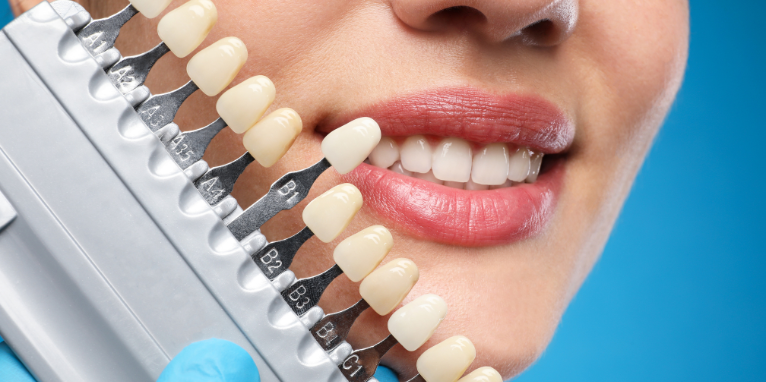
Zirconia crowns are orthopedic constructions from zirconia dioxide - high-tech biocompatible material distinguished by exceptional strength and aesthetics. Zirconia crowns became gold standard in modern prosthetic dentistry due to their longevity (15-20 years and more), maximum biocompatibility with organism and excellent aesthetic properties. They suitable in all clinical situations - from single crowns to full jaw prosthetics, on natural teeth or dental implants.
We manufacture zirconia crowns using CAD/CAM technology - computer design and milling based on digital data obtained during 3D oral cavity scanning. Process fully robotized ensuring maximum manufacturing precision, ideal crowns fit to teeth or implants. Used premium class zirconia blocks from reliable manufacturers with proven quality. Result - crowns serving decades, indistinguishable from natural teeth and not causing any adverse reactions.
What is Zirconia Dioxide
Zirconia dioxide (ZrO₂) - ceramic material of white color with unique physical-mechanical properties. Zirconia strength exceeds all other dental ceramics 5-10 times - flexural strength reaches 900-1200 MPa while traditional ceramics only 100-150 MPa. This allows creating long bridges, prosthetics for chewing zone with maximum loads, use on dental implants.
Material has low thermal conductivity eliminating discomfort from cold or hot food. Zirconia not oxidizes, not accumulates plaque, not causes allergic reactions. Zirconia biocompatibility absolute - organism accepts it as natural tissue, gums not recede from crowns edge, not develop inflammatory reactions.
Modern zirconia materials have varying transparency degrees. High-strength opaque zirconia used for ceramic crowns base constructions. Translucent zirconia allows creating monolithic crowns for entire structure from one material ensuring maximum strength and good aesthetics.
Zirconia Crowns Types
Classic zirconia crowns have two-layer structure - internal zirconia framework and external ceramic layer. Framework ensures strength, ceramics - natural color, transparency, enamel imitation. Such crowns have maximum aesthetics, suitable for front zones with highest aesthetic requirements. However there's small risk of ceramics chipping from zirconia base with traumas or excessive loads.
Monolithic zirconia crowns milled from one zirconia block for entire structure. They have no ceramic layer therefore maximally strong, practically indestructible. Monolith indicated for chewing zone, people with bruxism, on implants, long bridges. Aesthetics slightly lower than two-layer but modern translucent zirconia materials and coloring techniques help achieving excellent results even in front zones.
Multi-layered zirconia blocks have color gradation - lighter at crown, darker at neck, imitating natural teeth color transitions. Crowns from such blocks look especially natural without additional coloring. They suitable for all zones, ensure good aesthetics with maximum strength.
Individually colored monolithic crowns - monolithic zirconia with applied special ceramic dyes and fired. This allows achieving high aesthetics while maintaining monolith strength. Methodology suitable for highest requirements and front teeth.
Zirconia Crowns Advantages
Main advantage - exceptional strength and longevity. Zirconia crowns serve 15-20 years and more, while metal-ceramic crowns 10-12 years. Material withstands any chewing loads, not chips, not breaks. Monolithic crowns practically indestructible - can chew hard food products without fear about crowns damage.
Biocompatibility ideal. Zirconia hypoallergenic, not causes organism rejection reactions, gum inflammation. Material neutral to tissues, well accepted even by sensitive people. Gums not recede from crowns edge, remain healthy pink color throughout wearing period.
Aesthetics excellent. Modern translucent zirconia materials and coloring techniques allow creating crowns indistinguishable from natural teeth. Zirconia white color imitates natural dentin ensuring natural result. Material not transmits light like metal therefore not develops dark shadow near gums.
Lightness. Zirconia crowns lighter than metal-ceramics ensuring greater wearing comfort. No heaviness feeling, crowns felt like natural teeth.
Precision. CAD/CAM technology ensures micrometer precision in manufacturing. Crowns ideally fit to teeth or implants eliminating food and bacteria penetration under crown. This ensures crown and supporting teeth longevity.
Hygiene simple. Zirconia surface smooth, not attracts plaque, easily cleaned. Enough usual teeth care - brush and paste. Professional teeth cleaning every 6 months necessary but material itself not requires special care.
Zirconia Crowns Usage Indications
Zirconia crowns recommended for single teeth restoration - with large caries, after root canal treatment, after traumas. If tooth destroyed more than 50%, filling not ensure long-term result - indicated crown. Zirconia allows maximally preserving residual tooth tissue due to precise fit.
Methodology effective for chewing zone prosthetics - molars and premolars. Here maximum chewing loads, required highest strength material. Zirconia withstands any loads, guarantees long-term result.
Long bridges installation indicated with several consecutive missing teeth. Zirconia allows creating bridges up to 4-5 units without intermediate supports. Monolithic constructions especially reliable for long bridges.
Crowns on dental implants - one of most popular zirconia usage methods. Zirconia ideally biocompatible with titanium implants ensuring long-term result. Monolithic crowns on implants especially reliable.
Full jaw prosthetics on implants. Zirconia bridges on 4-6 implants allow restoring entire chewing function even with complete teeth absence. Constructions light, strong, aesthetics excellent.
Zirconia indicated for people with bruxism - teeth grinding during sleep. Material strength withstands great loads, crowns not wear, not break. Necessary additionally wear night protective tray.
With allergy to metals zirconia - ideal solution. Material completely metal-free, not causes allergic reactions, ideally biocompatible.
Zirconia Crowns Installation Stages
Consultation and Diagnostics
First visit - detailed consultation with doctor. Performed oral cavity examination, teeth condition assessment, X-ray diagnostics. Doctor determines treatment plan, discusses possibilities, shows similar works photos.
Performed professional teeth cleaning before prosthetics. This necessary for accurate color selection and quality crowns fixation. If needed performed caries treatment, old fillings replacement, root canal treatment.
Teeth Preparation
Second visit - teeth preparation for crowns. Performed local anesthesia for pain relief. Tooth ground in entire volume, removed certain amount of tissue for future crown thickness.
Grinding performed with special burs with water cooling. Doctor forms correct tooth shape, creates space for crown. Important preserve maximum healthy tissue, properly prepare edge for crown fixation.
Performed 3D oral cavity scanning with special scanner. Obtained precise digital model of prepared teeth and all surrounding tissues. Data sent to laboratory for crowns manufacturing.
On prepared teeth fixed temporary plastic crowns for aesthetics and protection. They worn for 1-2 weeks during manufacturing period.
Crowns Manufacturing in Laboratory
Dental technician according to digital model designs in computer future crowns. Used CAD software - created 3D crowns model considering anatomy, occlusion, aesthetics.
Design sent to milling equipment. Robot mills crowns from zirconia block according to digital model. Precision - up to micrometers. After milling crowns fired in special furnace at 1500°C temperature for 8-10 hours.
During firing zirconia sinters and acquires final strength and size. Dental technician can additionally color crowns with special dyes imitating natural teeth colors, fire again. Manufacturing takes 1-2 weeks.
Trial Fitting and Fixation
Third visit - trial crowns fitting. Removed temporary crowns, teeth cleaned. New zirconia crowns placed on teeth without cement for checking.
Doctor and patient evaluate crowns shape, color, fit, occlusion correctness. If needed - performed minor corrections. Only after complete patient approval performed final fixation.
Teeth surface and crowns interior prepared with special materials for better connection. Crowns cemented with special composite cement. Removed excess cement, polished connection line.
Checked occlusion, if needed - crowns slightly ground for optimal contact with opposite teeth. Patient receives care recommendations and control visits schedule.
Care and Service Life
Zirconia crowns care similar to natural teeth. Teeth brushing twice daily with soft or medium-hard brush and toothpaste. Dental floss necessary for spaces between crowns and teeth cleaning.
Professional teeth cleaning every 6 months necessary for plaque removal. Doctor will monitor crowns condition, check fixation quality, gum health. Timely detected problems allow extending crowns service life.
Can eat all products but avoid extremely hard - nut shells, ice, very hard candies. Cannot use teeth as tool - packages opening, bottles opening, hard objects chewing.
With bruxism necessary night protective tray. It will protect crowns from excessive loads during sleep. Tray manufactured individually according to impressions.
Regular control visits necessary. Doctor will assess crowns condition, supporting teeth health, gum condition. With problems - timely intervention prevents serious complications.
With proper care zirconia crowns serve 15-20 years and more. Monolithic crowns can serve 20+ years. Material not changes color, not cracks, not chips. This true long-term investment.
Zirconia versus Metal-Ceramic Crowns
Zirconia crowns superior to metal-ceramics in almost all aspects. Strength: zirconia stronger, withstands greater loads. Longevity: zirconia 15-20+ years, metal-ceramics 10-12 years.
Aesthetics: zirconia has no dark metal shadow near gums. Material white, natural. Metal-ceramic crowns have dark metal framework which can show through ceramics especially at edge.
Biocompatibility: zirconia completely biocompatible, metal-ceramics can cause allergy, gum darkening. Gums not recede from zirconia, remain healthy and pink.
Lightness: zirconia crowns lighter, more comfortable to wear. Precision: CAD/CAM technology ensures greater precision than traditional methods for metal-ceramics manufacturing.
Cost: zirconia crowns more expensive 30-50%. However longer service life, better aesthetics and biocompatibility pay off initial investment.
Metal-ceramics can be chosen with limited budget or chewing zone where aesthetics less important. However modern dentistry tends toward zirconia as gold standard.
Frequent Questions
Is zirconia crowns installation painful?
Procedure performed under local anesthesia therefore teeth preparation and crowns fixation completely painless. After anesthesia end possible short-term teeth sensitivity for few days but it quickly passes. Modern anesthesia methods ensure maximum comfort.
How long does treatment take?
Full treatment requires 2-3 visits over 2-3 weeks. First visit - consultation and diagnostics (1 hour). Second - teeth preparation and temporary crowns fixation (1.5-2 hours per crown). Third - zirconia crowns fixation (30-60 minutes). Exact time depends on crowns quantity.
Need replace zirconia crowns after certain time?
Zirconia crowns not require mandatory replacement after defined term with their good condition and healthy supporting teeth. Crowns can serve 15-20+ years. Replacement necessary only with damage, cement loosening, supporting teeth problems.
True that zirconia crowns grind opposite teeth?
This widespread myth about zirconia crowns. Modern zirconia materials and processing technologies ensure surface not grinding opposite teeth. Properly polished zirconia crowns have smooth surface similar to natural enamel. Important quality final processing in laboratory and correct occlusion adjustment by doctor.